
Finding a health insurance plan that actually works when you live outside the usual systems is one of those problems most people don’t realize exists until they’re planning to leave the suburbs. Sorting through travel insurance, crew medical policies and global medical plans can get tricky, but is an important part of preparing for your sailing adventure.
Genki is an international medical insurer that’s part of a modern trend for nomad health insurance, sought after by people looking for global medical coverage for long-term international travels where they’re frequently moving. I first became aware of them a few years ago, and ended up making the switch.
To give you a better understanding of Genki and what led me to choose them, let’s explore what Genki is for, the health insurance plans they offer, and how it’s suitable for sailors and full-time liveaboard cruisers.
Who Genki is designed for#
Genki aims its insurance services towards people who live and travel internationally, including digital nomads, long-term travelers, and expats. It’s also a viable choice for sailors and liveaboard cruisers, thanks to the coverage they offer for coastal and offshore sailing.
What Genki currently offers#
Genki currency has two core plans:
- Genki Traveler
- Genki Native (Basic or Premium)
Each is designed for a slightly different traveler, so here’s a look at how some of the core benefits and features compare, including medical evacuation.
| Coverage | Genki Traveler | Genki Native Basic | Genki Native Premium |
| Cover period | Flexible policies up to 12 months | 12 month annually renewable policies | 12 month annually renewable policies |
| Maximum coverage | €1,000,000 per insurance year | €1,000,000 per insurance year | Unlimited |
| Emergency care | Yes | Yes | Yes |
| Chronic conditions | No | Yes | Yes |
| Rehabilitation care | 6 prescribed physio sessions per insurance case | Yes – 20 days per insurance year | Yes – 30 days per insurance year |
| Ambulance to the nearest suitable hospital | Yes | Yes | Yes |
| Transportation to another country | Home country with preapproval | Yes – With preapproval | Yes – With preapproval |
| Preventative care | No | No | Yes |
| Dental, maternity and vision care | No | No | Yes |
In simple terms, Genki Traveler is more akin to the medical coverage offered by traditional travel insurance, while Genki Native is more aligned with comprehensive international medical insurance.
Why Genki appeals to cruisers specifically#
Many cruisers, myself included, are comfortable paying out of pocket for minor illnesses, dental visits, or basic diagnostics, especially in regions where healthcare is affordable. The risk lies in serious events like critical illness, injury, infections, or anything requiring hospitalization or evacuation.
I experienced this first hand when a crew member, who’d decided against getting an expat health insurance plan, was diagnosed with a life threatening blood clot. He was extremely lucky that we were in Trinidad & Tobago at the time, which is one of the few countries that offers free public healthcare to foreigners. Elsewhere, it could have been financially devastating.
For me, having global health insurance provides peace of mind that if something were to go really wrong, I will be looked after. While Genki isn’t specific insurance for seafarers, that doesn’t mean it isn’t a viable health insurance for sailing around the world. It offers cost effective health insurance for cruisers with sailing coverage specifically being detailed in the policy documents, but more on that soon.
Cost for a policy#
Genki Traveler sits at a more affordable price range than some of the other international healthcare options, while Genki Native is comparative in both coverage and price. To give you a rough idea, here’s the cost for a 45 year old on each plan:
| Region | Genki Traveler | Genki Native Basic | Genki Native Premium |
| Worldwide (USA & Canada Limited) | €79.90/ month (€50 deductible) | €306.00/ month (no deductible) €255.00/ month (€1000 deductible) | €433.00/ month (no deductible) €359.00/ month (€1000 deductible) |
You can get personalised quotes on the Genki website to find out what it would cost you.
Considerations that matter for sailors#
There are a few specific points cruisers tend to care about when reviewing sailing travel insurance policies.
- Coverage – Genki is worldwide, with limits applying to time in the United States and Canada.
- Nationality – People from all countries are eligible for Genki policies
- Evacuation – There is coverage for evacuation necessary to receive medical care
- Search and rescue – Like most travel insurers it isn’t covered by the Genki policy, but may be by your yacht insurance, or can be purchased separately from a specialist provider
Offshore coverage#
One of the main considerations in finding health insurance for sailors is coverage for medical emergencies that occur offshore, or while sailing. The good news – Genki explicitly includes this in all of their policies.
| Genki Traveler | Genki Native Basic | Genki Native Premium |
| Covered for recreational sailing in both coastal and international water | Any kind of sailing, including coastal and offshore | Any kind of sailing, including coastal and offshore |
If you’re a private yacht that’s sailing recreationally, then Genki Traveler and Genki Native could be an option. For paid crew medical insurance, you would need to look towards Genki Native.
Claims and customer service#
Customer service interactions are often the first real test of an insurer.
When it comes to general inquiries, I’ve found that Genki is responsive and straightforward to deal with, especially via email or their website chat box. As a cruiser, being able to manage my policy entirely online with responsive communication is important – I can always get data, but calling an overseas landline can be a pain if I don’t have international calling set up properly.
The other thing that’s very important is how claims are processed and paid.
For non-emergent situations, Genki will generally have you pay the costs then submit them for reimbursement. In the case of hospitalization, their emergency assistance team can help manage direct medical expenses payments to the hospital, so you don’t need to worry about it.
In terms of the back-end, Squarelife is the insurer working with Genki. Originating in Switzerland, they are currently headquartered in Liechtenstein and provide over 100 products with more than 30 partners, being governed by European Union requirements.
Trustpilot reviews#
At the time of writing Genki was rated 4/5 on Trustpilot with over 800 reviews. Customers appreciated the simple processes, helpful online chat, quick payouts and fairness at which the company approved or denied claims, based on the policy rules.
Things to check before choosing Genki#
As with any international health insurance, the policy wording matters much more than the marketing. It’s essential to read the policy documents carefully and confirm that what’s on offer aligns with your cruising plans, healthcare needs and personal context.
Is Genki a good choice for cruisers and sailors?#
Genki is a health insurance option that makes a lot of sense for people living internationally, including liveaboard cruisers, sailors and digital nomads. It strikes a practical balance between affordability, coverage, and usability that fits with how many cruisers actually live on the water, offering coverage for many of the activities and lifestyle traits that actually matter to us.
FAQ#
Do sailors have to have their own health insurance?#
This depends entirely on where you’re sailing, and how. If you’re sailing professionally, then you may be required to get yacht crew medical insurance or might be covered under a ship crew policy. Health insurance for liveaboard cruisers is generally only legally required when applying for certain long-stay visas.
What is the best health insurance for sailors?#
The best sailing health insurance comes down to a balance of price and coverage. To learn what travel medical solutions are out there for liveaboard cruisers, check out my full blog on health insurance options for sailors.
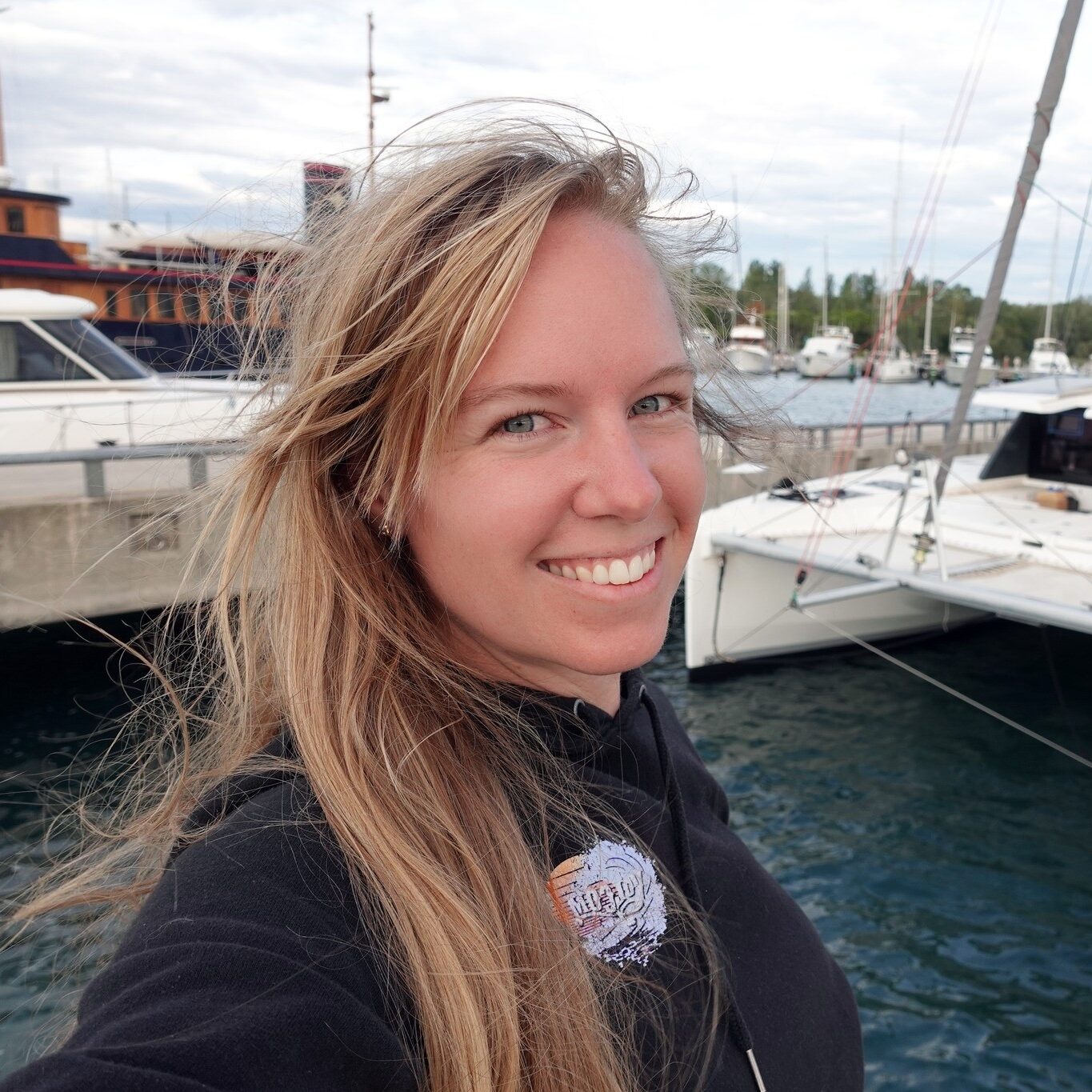
One of the creators behind Travel Sketch, Telicia lives full-time aboard SV Liger. She’s a freelance writer who’s worked with a range of international companies, and serves as social media coordinator and magazine editor for noforeignland. With the Med and Caribbean done, she’s charting a course through the Pacific and Asia.



Leave a Reply