
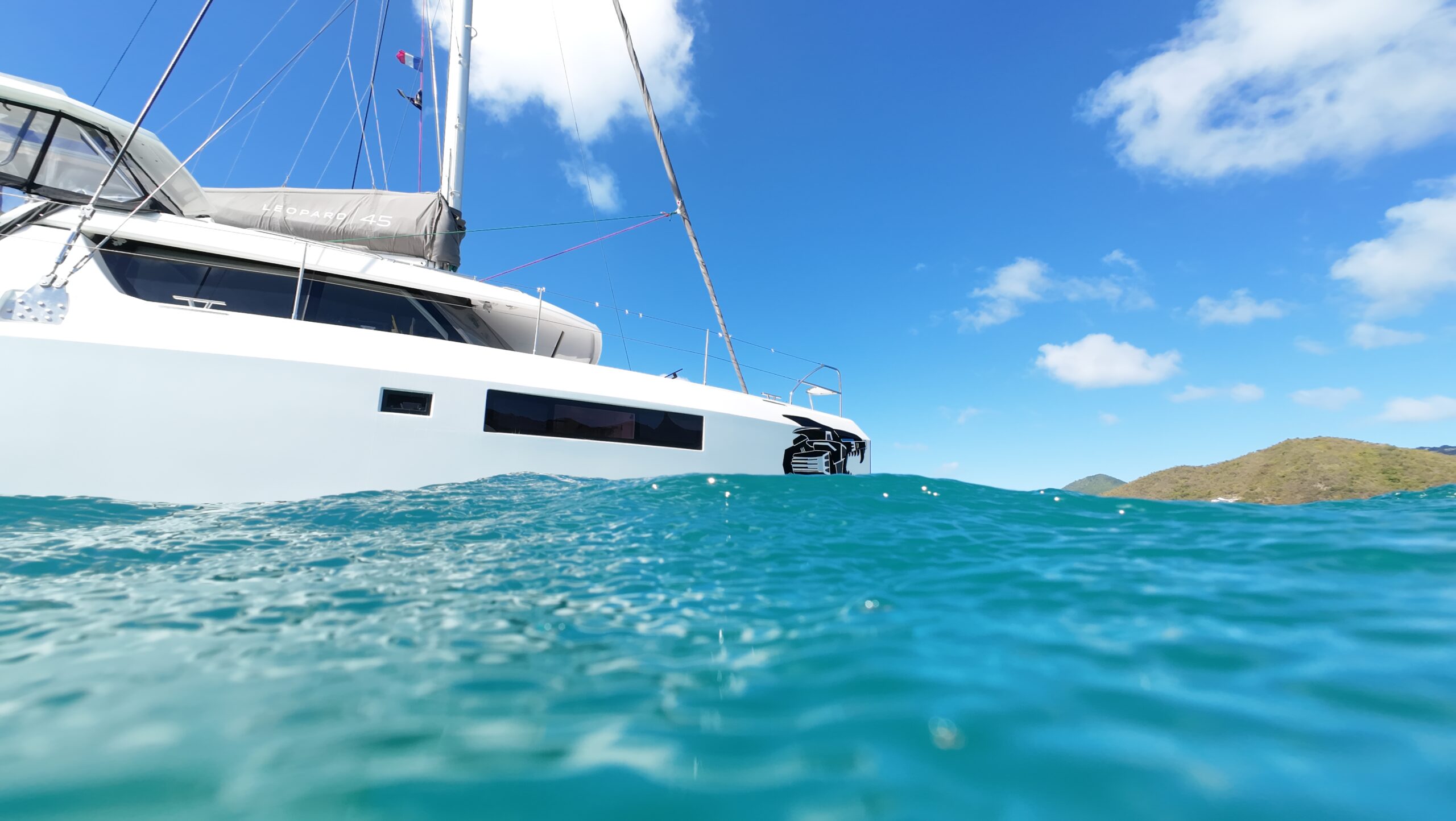
When we started planning life aboard there were lots of systems and upgrades to consider, from solar panels and lithium batteries, to air conditioning, galley appliances and the types of sails we wanted. From the start a watermaker was deemed a must-have, and almost 5 years later, I’m glad we did it.
In this guide we’ll look at how sailboat watermakers work, how much water cruisers actually use, the power requirements, maintenance realities, and whether installing one makes sense for your boat. It’s a complete write-up written from the perspective of someone who’s actually out on the water, using one for their daily needs.
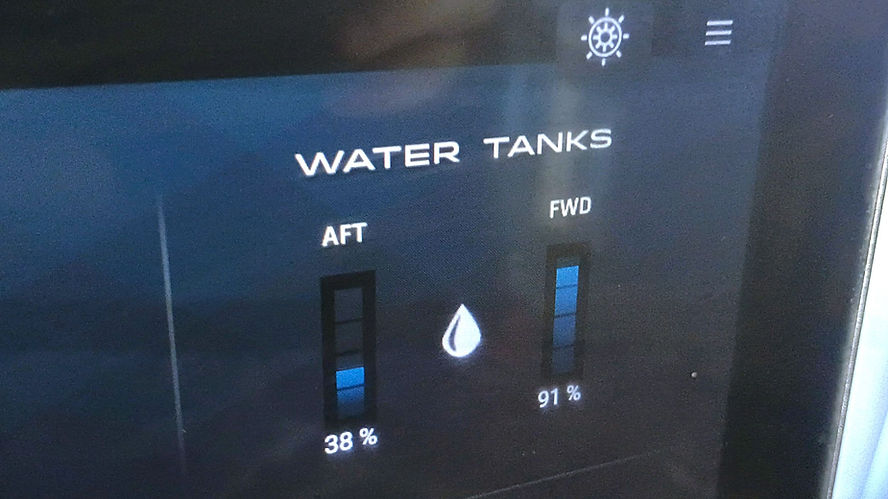
What is a sailboat watermaker#
A sailboat watermaker is a desalination system that converts seawater into fresh water using reverse osmosis filtration.
The system forces seawater through a semi-permeable membrane at very high pressure, with the membrane allowing water molecules to pass through while blocking salt, minerals, and most contaminants. Freshwater that comes out is called permeate, while the leftover concentrated saltwater is discharged overboard as brine.
This tech might sound complex, but most marine watermakers are built around a few key components.
- The seawater intake, which pulls ocean water into the system through a through-hull fitting
- The prefilters, which remove sediment, sand, and particles before the water reaches the high-pressure pump and membrane
- A high pressure pump, which drives the reverse osmosis process
- RO membranes, which allow freshwater to pass through before being collected in your tanks, while the salt-rich brine is discharged overboard
The freshwater production rates can vary widely depending on the size of the system. Smaller systems might produce around 30 to 40 liters per hour, while mid-size units produce closer to 60 to 100 liters per hour. Larger systems on bigger yachts can exceed 120 liters per hour. The ECHOTec watermaker we have aboard is rated for 32 gallons/120L per hours, but more on that soon.
Why we chose to get a watermaker for our boat#
Our long-term cruising goals always included ocean crossings and visits to remote areas and islands, where fresh water isn’t always easy to find. Relying on docks and marina taps wasn’t going to work; we wanted the freedom to anchor in deserted places, stay longer than a few days, and cross oceans without worrying about how much water was left in reserve.
A watermaker makes that possible. By converting seawater into drinking water using reverse osmosis, we can produce freshwater anywhere there’s ocean around us.
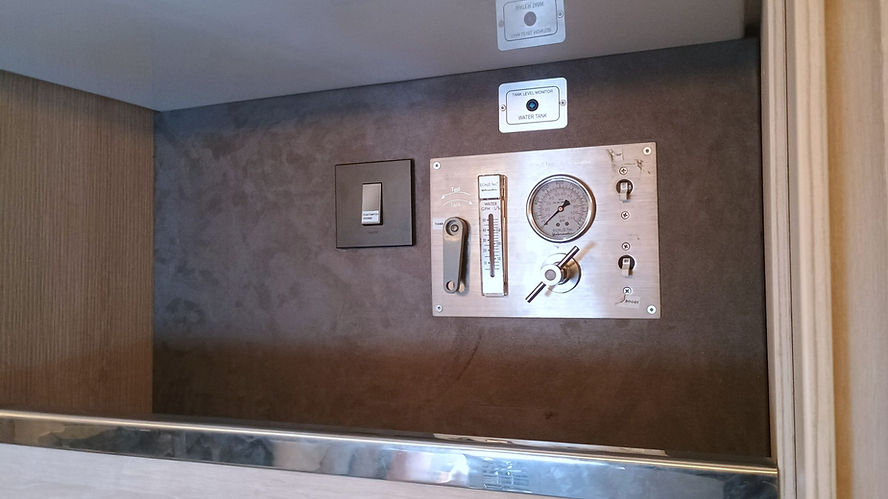
How sailboat watermakers work#
As menioned before, sailboat watermakers work by forcing seawater through a semi-permeable membrane at high pressure to separate freshwater from salt and other dissolved minerals. This process is called reverse osmosis, and is the same technology used in most modern desalination plants. The difference, is that marine watermakers are scaled down and optimized to run on a boat’s electrical system.
The desalination process happens in several stages, which usually look like this:
Step 1: Seawater enters the system through the intake line; on most boats this is a dedicated through-hull.
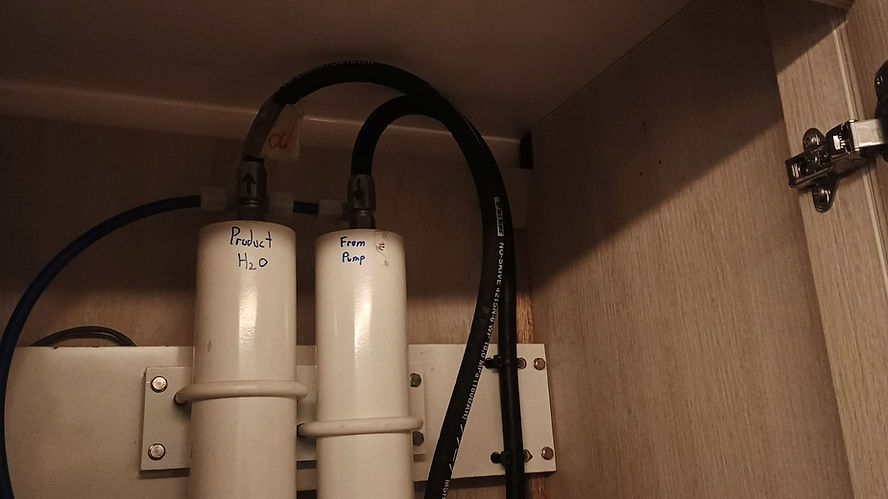
Step 2: The water passes through one or more sediment prefilters, that remove sand, organic material, and other debris that could damage the high-pressure pump or clog the membrane. Our system has two prefilters; 5 micron and 20 micron.
Step 3: The water enters the high-pressure pump, which pressurizes the seawater to the level required for reverse osmosis.
Step 4: At pressure, the water is forced through the RO membrane. The membrane has microscopic pores that allow water molecules to pass but block salts and most impurities.
Step 5: The freshwater that passes through the membrane is collected and directed to the boat’s tanks. The leftover concentrated brine is sent overboard.
One important thing to know is that watermakers work best in clean seawater. Sediment-heavy harbors, river mouths, and algae blooms can clog filters quickly and reduce system efficiency. Many cruisers, including us, prefer to run their watermaker offshore or in relatively clean anchorages where the water quality is better.
How much water yachts use#
Most cruising sailboats use between 20 and 80 liters of freshwater per person, per day, depending on lifestyle and conservation habits.
Before cruising life, we didn’t really think about water consumption past what the water bill reflected. Now, managing its usage is a daily reality.
- Drinking water per person
- Showers per person
- Cooking
- Dishwashing
- Washing machine
- Boat cleaning, salt water flushing and gear rinsing
- Dinghy engine flush
- Fresh water toilet flushes
On our boat we typically use around 150 to 200 liters per day with three adults aboard. That includes showers, cooking, dishes, and general cleaning, which fluctuates depending on where we are, and what we’re doing. Our toilets also flush with fresh water, which increases consumption as well. Without a watermaker, those daily consumption levels quickly translate into regular trips to refill tanks, and having to be far more conscious of our usage to help minimize the trips needed.
We have friends who cruise without a watermaker, and managing water becomes a regular logistical exercise. Some bring the entire boat into a dock every week just to refill the tanks. Others ferry jugs back and forth to docks because the logistics of bringing the boat over make this the simpler choice. It works, but it definitely changes how you plan your time and anchorages.
Power requirements for sailboat watermakers#
Most electric sailboat watermakers require between 20 and 60 amps of 12-volt power while running, depending on production capacity and system design.
- Smaller units producing around 30 liters per hour might draw roughly 18 to 25 amps
- Mid-size systems producing 60 liters per hour often draw closer to 30 to 40 amps
- Larger units that produce over 100 liters per hour can approach 50 or 60 amps
That said, there are also 24V, 48V and AC systems available. Personally, our ECHOTec watermaker is now running off a 48V motor, as we have a 48V battery bank.
Because watermakers draw a noticeable amount of power while running, many cruisers plan their water production around their energy generation. Boats with large solar arrays, like us, often run the watermaker during the middle of the day when solar output is highest. Others choose to run the system while the engine or generator is already running.
For most modern cruising boats with strong solar capacity and lithium batteries, electric watermakers integrate fairly easily into the onboard energy system.
Installing a watermaker on a sailboat#
Installing a watermaker into a sailboat usually involves integrating the system into the boat’s seawater intake, electrical system, and freshwater plumbing.
Although installation varies between boats, most systems require similar components:
- The seawater intake connects the system to a through-hull fitting
- Prefilters are mounted in an accessible location where filters can be replaced easily, usually close to the intake
- The high-pressure pump is mounted in an area with appropriate air-flow
- The RO membrane housings are securely mounted
- A brine discharge line sends the concentrated saltwater overboard
- The freshwater output is connected to the boat’s tank system
When our system from ECHOTec Watermakers was installed, the installation itself was fairly straightforward. The biggest consideration was ensuring we met the technical requirements for the system, particularly around airflow for the motor. High-pressure pumps generate heat during operation, and the motor needs adequate ventilation to avoid overheating.
Access for maintenance is another factor that’s worth planning carefully. Filters need to be replaced regularly, and membranes occasionally require servicing. Installing components in areas that are difficult to reach can turn simple maintenance tasks into frustrating projects later.
Watermaker maintenance and operation#
Regular maintenance is an essential part of owning a sailboat watermaker, because the filters and membranes can foul if the system is neglected. Fortunately, the routine tasks are fairly manageable.
Filters#
The most common maintenance item is replacing prefilters. These filters capture sediment before it reaches the membrane, and they need replacement periodically depending on how often the system runs and how clean the seawater is. To pro-long the filters, backflush them with fresh, chlorine-free water after use. Flushing helps remove salt and organic material that could otherwise accumulate inside the system.
On our ECHOTec we also have a carbon filter and post-treatment filter, which also only get replaced as needed.
Membranes#
Membrane lifespan varies depending on usage, maintenance and the quality of the membrane itself. In well-maintained systems, membranes commonly last around three to five years, although water quality and operating conditions can influence that timeline. High-quality membranes that are maintained and run appropriately can last well beyond 5 years.
Pickling the watermaker#
If a watermaker will not be used for an extended period, the system may need to be “pickled” with a preservation solution to prevent biological growth inside the membrane. This is commonly done when people are leaving the boat for a period of time, for example winter storage on the hardstand.
The alternative that we do with our ECHOTec watermaker is to backflush the system with fresh, chlorine free water every 5-7 days, which is slightly sooner that their recommendation. Doing this helps prevent biological growth and membrane fouling, and means we don’t have to pickle it. Our record was 21 months on the hardstand, backflushing the system while the vessel underwent warranty repairs. When we relaunched, we had no issues with the performance.
General maintenance#
In our experience the system has been relatively low maintenance overall. We’ve replaced filters and once had to replace seals on the motor after a small leak developed, but compared to the convenience of having unlimited freshwater aboard, I truly think the maintenance requirements have been minimal.
How much sailboat watermakers cost#
Most sailboat watermakers cost between 4,000 USD and 12,000 USD depending on production capacity, features, and brand.
Smaller entry-level systems designed for modest water production sit at the lower end of that range, while larger high-output systems designed for liveaboard cruising boats can approach or exceed the upper end. For us, we were willing to pay more for something that was higher quality, more reliable and had international customer support, because in our minds, the watermaker is a critical system that gives us our independence.
Installation can add additional cost depending on plumbing complexity, upgrades, mounting requirements, and whether or not you do it yourself.
Beyond the purchase price, there’s also maintenance costs to consider. Filters need periodic replacement, the motor oil should be checked and changed, and membranes, which are the priciest consumable, eventually require replacement. Compared with other onboard systems, like engines or generators, however, operating costs are generally fairly modest.
Is a watermaker worth it for cruising sailboats?#
A sailboat watermaker is worth it for many long-distance and liveaboard cruisers, because it removes the need to constantly search for freshwater while exploring the world. This is particularly valuable in regions where freshwater infrastructure is limited or expensive, or during long off-shore passages.
That said, watermakers aren’t essential for every cruising style.
Boats that spend most of their time marina-hopping along developed coastlines may find it easier to refill tanks regularly, and coastal cruisers who prefer short hops between towns can manage perfectly well without one.
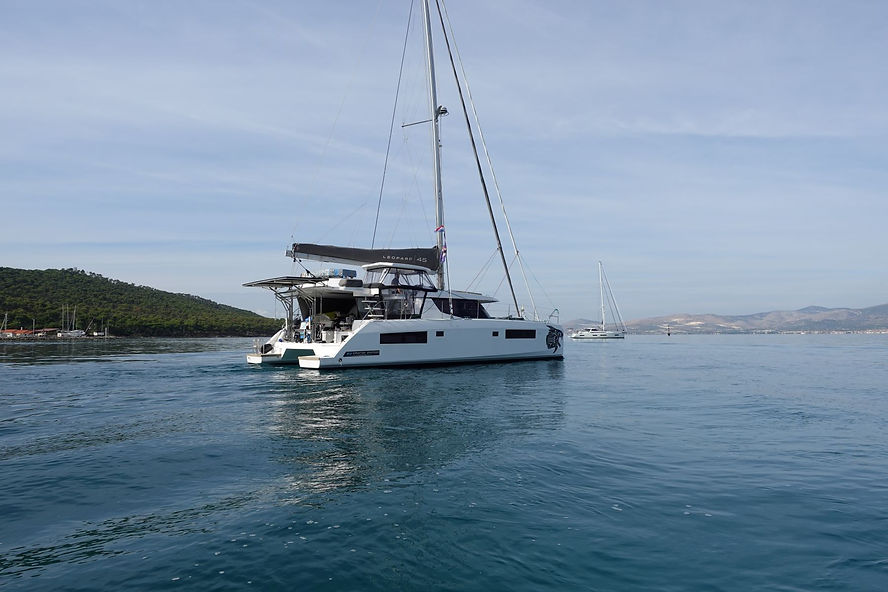
For us, we prioritize remote anchorages, being able to do long passages, and the convenience of the ocean around us becoming our water supply, so it’s one of the most appreciated systems onboard.
Last thoughts…#
Watermakers fundamentally change how sailboat crews manage their freshwater.
Instead of planning routes around marina stops and dock visits, boats with watermakers can produce drinking water directly from the ocean wherever they anchor or sail. For many long-distance cruisers, that independence becomes invaluable.
Like any onboard system, however, watermakers require a thoughtful installation, electrical capacity, and regular maintenance. But for boats designed to explore beyond crowded harbors, the ability to generate freshwater at sea can transform the cruising experience.
For us, it was never really a question. From the earliest stages of planning our life aboard, a watermaker was part of the system that made our cruising plans possible.

One of the creators behind Travel Sketch, Telicia lives full-time aboard SV Liger. She’s a freelance writer who’s worked with a range of international companies, and serves as social media coordinator and magazine editor for noforeignland. With the Med and Caribbean done, she’s charting a course through the Pacific and Asia.



Leave a Reply