
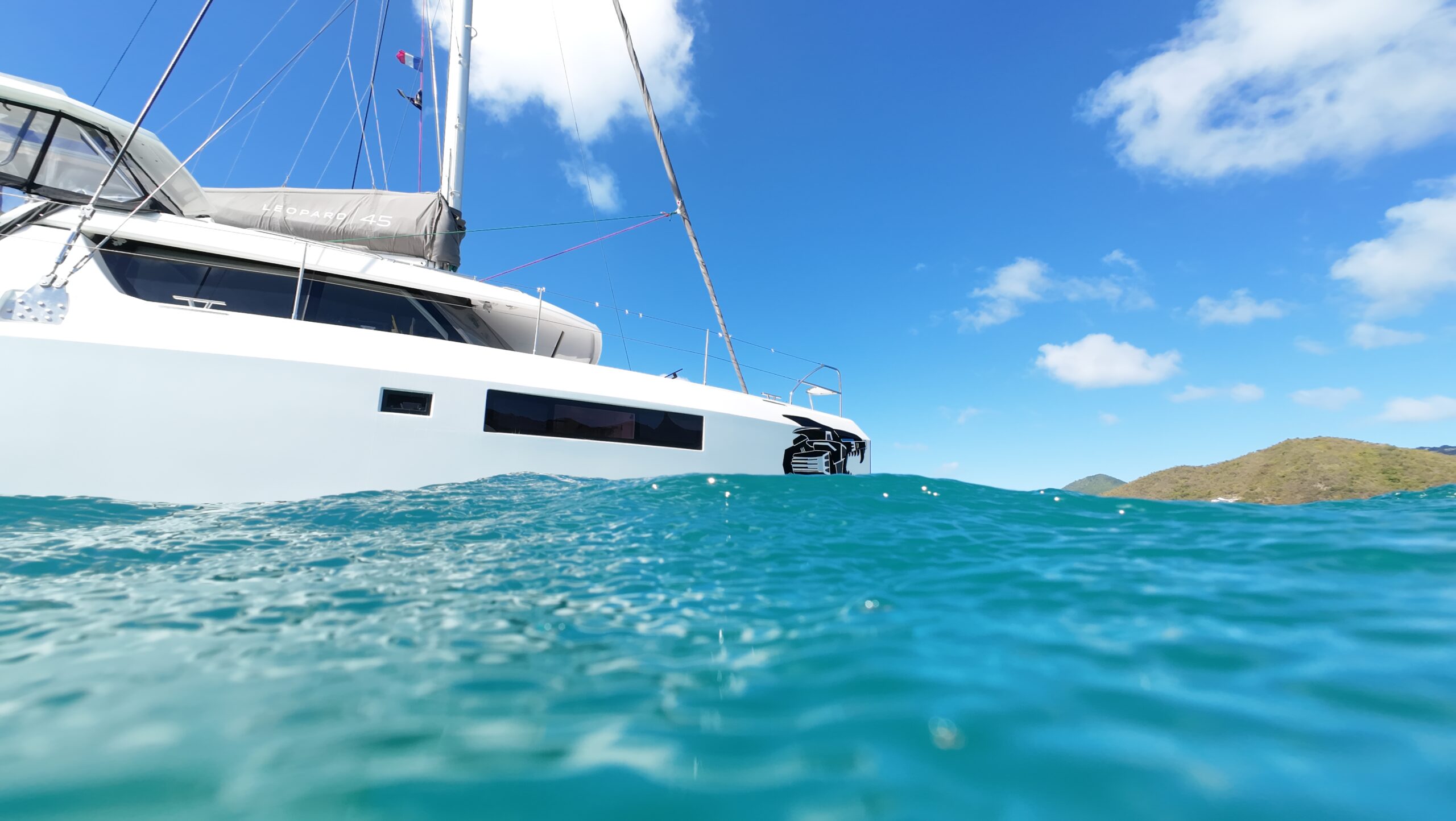
One of the biggest decisions any sailor has to make is which anchor to trust; the wrong choice can have catastrophic consequences. With so many designs on the market and each sailor swearing by their favorite, it can be hard to figure out which is right for you, your cruising grounds and your boat.
We’re going to take a look at some of the popular boat anchors solutions, what they’re more suitable for, and some of the key things to consider when choosing a new anchor. I’ll also share my own experiences with the anchors we’ve had aboard our 45ft catamaran, SV Liger, because the more honest input you have, the more informed decisions you can make.
Anchoring solutions for yachts#
Anchors come in many shapes and sizes, but not all are created equal. Classics like the Danforth style anchor still have their place, but for modern sailing boats, especially those that are full time liveaboards, new-generation anchors generally offer superior holding power, a shorter setting distance, and better resets in shifting winds.
Different types of anchors#
The reason there are so many different types of anchor is that anchor designs have evolved as our understanding of soil mechanics has improved.
- Plough anchors: These anchors “plough” into the ground, but can sometimes pull through it under extreme loads.
- Claw and Bruce anchors: Great for rock and coral, but have lower holding power per pound in sand.
- Fluke and Danforth anchors: Strong holding power in a straight pull, especially in mud, but they tend to struggle to reset when the boat swings.
- New-Generation (Scoop anchors): Designed to be “self-righting” and dig, these anchors focus on tip-weight and surface area, making them the most versatile for the varying conditions a cruiser faces.
Popular sailboat anchor types#
Having lived on our catamaran since 2021, here are the anchor types for sailboats we commonly see around the boat yard and in anchorages:
| Mantus M1 | The Mantus M1 is a modern anchor designed to set every time and hold firmly in a wide range of sea beds. The shank and shank boot are welded top and bottom, and the shank and roll bar are bolted to the fluke. They make a galvanized and stainless steel version. The updated version is the Mantus M1 Performance. |
| Rocna Mk II | An evolution of the Original Rocna anchor design, the Mk II has refinements designed to improve setting and strength. The shank and roll bar are welded to the fluke. |
| Lewmar Delta | The Delta is a plough-style anchor that’s designed to fall forward from bow rollers. They come standard with many production boats, but are not always sized appropriately by the boat builders for live aboard use. |
| SARCA Excel | Developed in Australia, the SARCA Excel has single plane concave flukes that direct the seabed over the rear of the anchor to force it deeper. It’s designed to set well and and hold firm. |
| Fortress FX | Made of aluminum, the Fortress FX series was made to deliver exceptional holding power for its weight, particularly in soft mud. Many cruisers use it as a secondary or storm anchor, rather than primary. |
| Ultra Anchor | The Ultra is a polished stainless-steel anchor with a concave fluke, known for its aesthetically pleasing design and top-tier performance. It’s expensive, but well regarded for its holding power and setting. |
| Viking | The Viking anchor is a single-plate steel fluke that was designed to achieve a good power to weight ratio. For this reason it’s often used as a secondary or stern anchor on heavier boats. |
How to choose the “right” anchor for your boat#
Choosing the right anchor for your sailboat is a matter of analyzing how well the various anchor designs suit your budget, boat and intended cruising grounds.
When choosing an anchor for a liveaboard sailboat, consider:
- Boat size and weight: Start with the anchor manufacturer’s guidelines, but lean towards the heavier anchor as the “day trip” sizes often aren’t enough for the demands of full-time cruising; think heavy weather and a boat loaded with gear.
- Primary cruising grounds: While many manufacturers say their anchors can be used in all ground types, some are more suitable for certain types of seabed, like sandy bottoms, mud, coral rubble, or weed. Think about your primary cruising grounds, and choose an anchor that suits that substrate.
- Resetting ability: If the wind shifts 180° at night, will your anchor dig in again quickly, or will it drag across the seabed? Something that resets fast in the substrate you’ll spend most of your time in is ideal.
It’s also worth learning from others. One of the best resources we’ve found, apart from talking to fellow cruisers, are the anchor review videos on YouTube done by SV Panope. He has done real-world, independent tests on most of the anchors available on the market. The video below is of the Mantus dinghy anchor, which we use for our tender.
Our experiences with boat anchors#
Over the years we’ve tried a number of different sailboat anchors, and thinking back, these are the first thoughts that come to mind.
- Lewmar Delta – Our boat came with a 20kg Lewmar Delta, but it was too small so was immediately swapped out for something twice the size.
- Rocna – The best anchor available in Cape Town when the boat was handed over, the Rocna it was always meant to be temporary – we had a SARCA Excel waiting in a sea container in Europe, along with the rest of our belongings. Sailing from Cape Town to Gibraltar there were some issues with the Rocna dragging while anchored in Mindelo, Cape Verde, so we weren’t tempted to keep it. It found a new home aboard a local monohull while we were in Italy.
- SARCA Excel – This was a great anchor that held well, but when bora’s hit in Croatia and swung the wind, it took a little longer to reset than we wanted. Given our long-term cruising plans were to go to the Pacific and Asia we decided to try something with as-good-a holding, but hopefully a bit shorter reset distance. It found a new home with a family with the same boat as us, and they’ve sailed halfway around the world with it.
- Viking – Purchased specifically to be a stern anchor, we went with the day size thinking it would be enough to pin the boat, but it wasn’t. The anchor found a new home aboard our Trinidadian friend’s sportsfisher boat, and we got a heavier alternative.
Mantus anchor review#
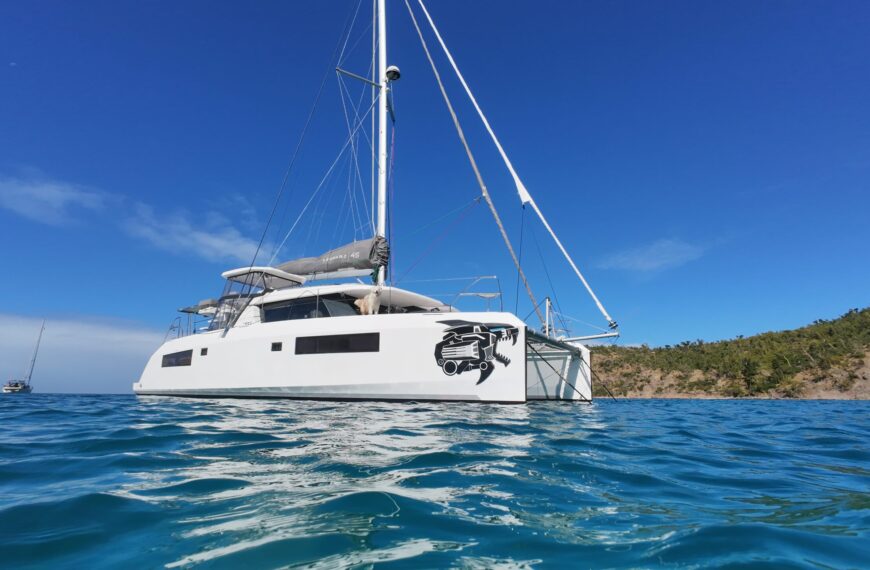
Today the main anchor on SV Liger (Leopard 45 Catamaran) is an 85 lb Mantus M1. After using it for a Caribbean sailing season, we found that:
- It resets in a much shorter distance compared to the Rocna or SARCA Excel
- We’ve had far fewer instances of dragging, even in gusty anchorages
- It digs DEEP in sand
- It’s proven itself to be able to handle shifts and squalls well
Due to the size of the hoop we did have to come up with some creative solutions to ensure the anchor fit in the anchor well, and stayed in place when we were underway, but it was 100% worth it. The performance has genuinely been impressive.
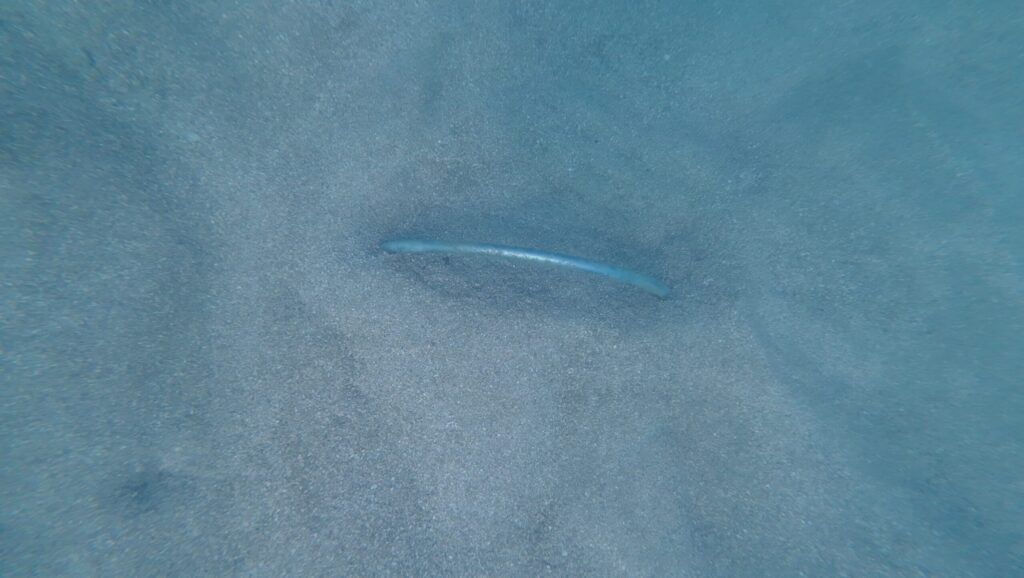
On top of that, we also have the Mantus swivel and Mantus M3 chain hook, and both have been excellent. Aside from being functional, something I personally appreciate about Mantus Marine is they offer low-price spare parts for anything that may need replacement on their anchors, chain hooks and swivels, like the swivel cotter pin or chain hook spring. This level of customer support is not the norm in the marine industry, so I think is worth highlighting.
Mantus dinghy anchor#
For the dinghy we carry a smaller Mantus M1 style anchor, which has also been brilliant. I can toss it off the front with one hand and it sets easily, keeping our heavy aluminum tender in place.
Using Mantus for a stern anchor#
Our positive experiences with Mantus anchors on the main boat and dinghy caused us to try a 45lb Mantus M2 for the stern anchor. While no anchor is perfect in every condition, the Mantus anchors have proven to be the most reliable for us as full-time liveaboard cruisers, so we’ve decided to go all in across the boat. I will share an update, once we’ve had a chance to do some real-world testing of the M2.
What is the best type of anchor to carry in my sailboat?#
The question of which is the best anchor for boats or best anchor in the world can be a little subjective, but at the end of the day the best sailboat anchor is the one that lets you sleep soundly, keeps your boat safe, and saves you from stressful nights of dragging and re-setting. For most cruisers, that is a new-generation scoop anchor.
Whether you go with Mantus, SARCA, or another new-generation design, the key is choosing an anchor that’s proven to work, is appropriately sized, and well-suited for the realities of full-time cruising.
FAQ#
What makes a good anchor?#
A good anchor is largely about geometry. You want a design that sets quickly when it hits the seabed and has a high “reset” success rate. In a 180° wind shift, a good anchor should pivot or pop out and re-dig immediately, rather than skipping across the bottom. Having good geometry also means a better holding-power-to-weight ratio.
Which is the best anchor line?#
As a cruising sailboat, the best anchor line setup is almost always an all-chain rode. Chain provides the weight needed to keep the pull on the anchor horizontal, which is vital for staying set. If you’re on a smaller boat or are trying to save weight, a combination of high-quality chain and weighted nylon line can be a good middle ground.
What is the best way to anchor your boat?#
The best way is to do it methodically:
- Aim to put out at least a 5:1 ratio of rode to depth – In heavy weather, go to 7:1 or more.
- Don’t dump all your chain in a pile, instead drop the anchor and let the boat drift back slowly as you let out the anchor chain, then use your engines to “dig it in”.
- Use a bridle or snubber to take the tension off the deck hardware and windless, and provide some shock absorption.
What is the best boat anchor for sand?#
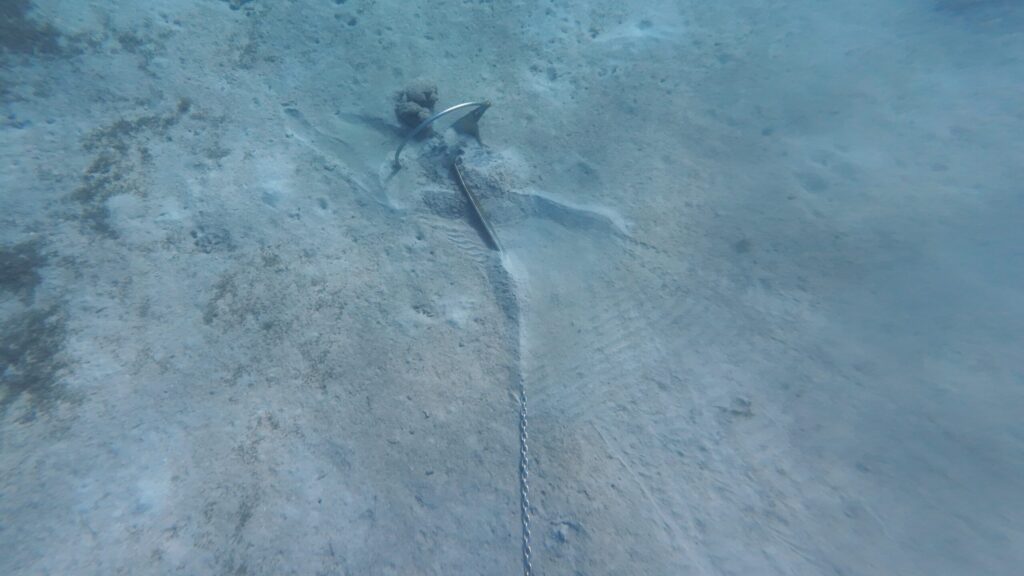
New-generation anchors like the Mantus M1 are generally considered the kings of sand. Their sharp tips and wide flukes are designed to “dive” into the substrate, and because sand is a relatively consistent, “easy” bottom, these anchors can bury themselves completely, as seen in the photo above!
Travel Sketch is about using the time we have on this planet to seek adventure and live life to the fullest. Our crew says yes to experiences, tackling what life throws our way with a sense of humor and belief that we can do whatever we set our minds to. Today that crew includes Trent, Telicia, Lukasz, and Aussie Shepherd, Rose.

Leave a Reply