
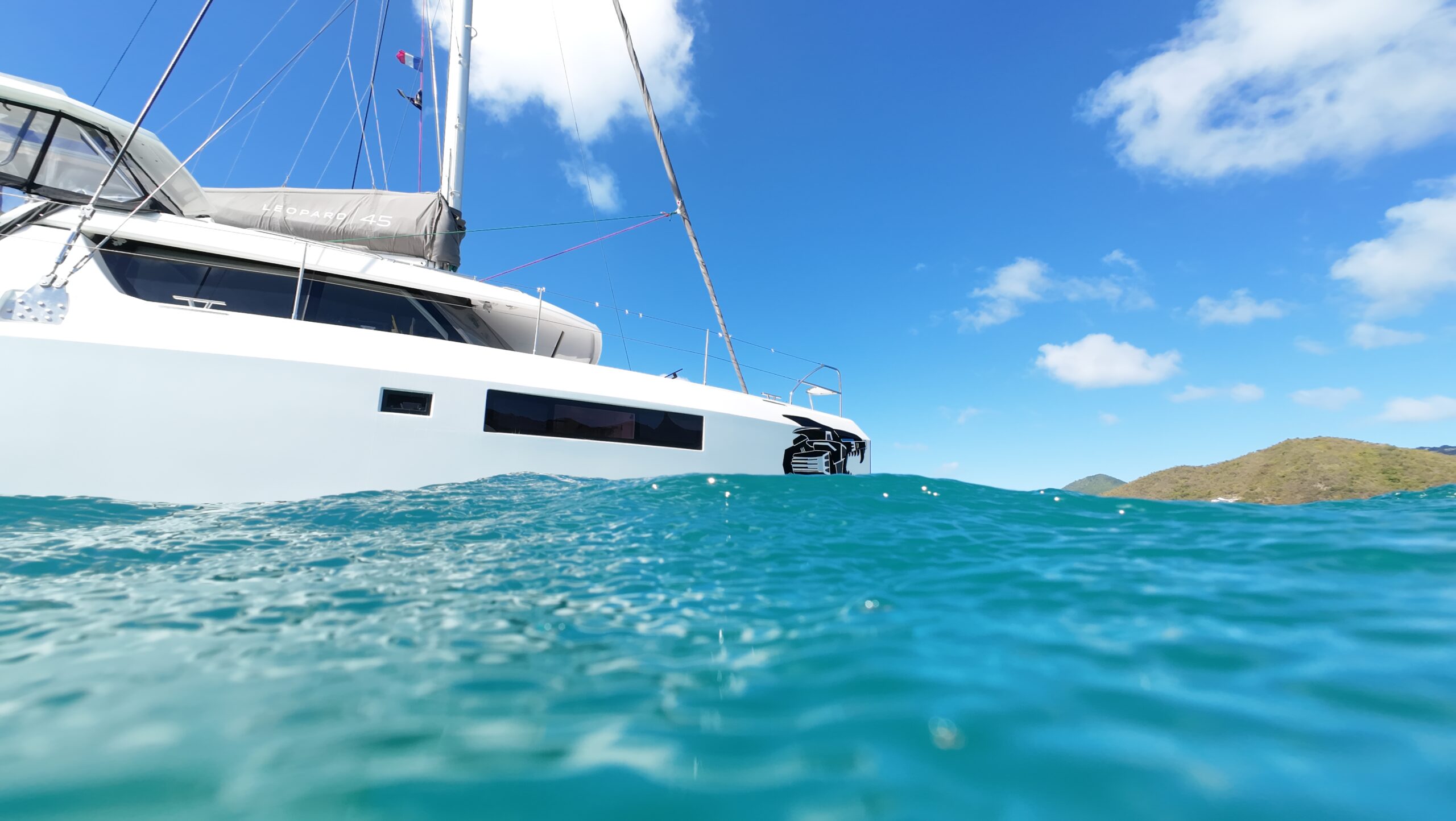
Knowing how to store fresh produce for weeks at a time is a useful provisioning skill on a sailboat, especially if you’re planning a long passage, ocean crossing, or to head-off on a remote area adventure.
To learn how to do this, here’s a few fresh produce rules to follow that can minimise your trips to grocery stores and markets, and help make provisioning and cooking for your sailing trips a little bit easier.
Rule 1: Prioritise quick‑ripening items first#
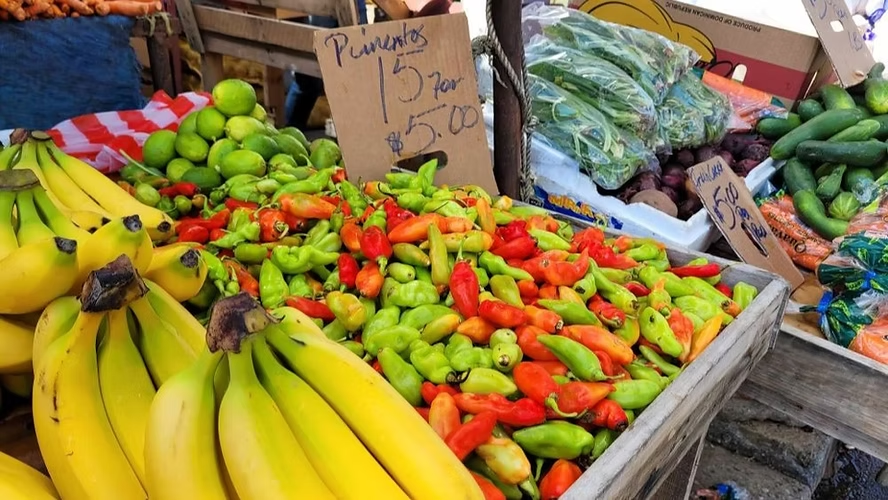
Prioritizing quick-ripening items means you eat the delicate fruits and vege while they’re still perfect, preventing massive food waste early in the passage. The main part of this is knowing how much your crew can feasibly eat while cruising, and basing the amount you buy and put on the provisioning list off that.
‘Eat now’ fruits and vegetables include tomatoes, berries, leafy greens and ripe bananas. These foods lose their texture and flavor incredibly fast, especially in warm, humid cabins where ventilation might be poor. Ideally you want to keep them in a cool, accessible location. Keep them towards the top, to make it easy to remember they’re there.
| Time it Can Last | Examples |
| 1 Week (Eat now) | Tomatoes, bananas, spinach |
| 2‑3 Weeks (Monitor) | Apples, carrots, onions, citrus |
| 4+ Weeks (Eat later) | Cabbage, hard squash, potatoes |
Planning your early meals around these ingredients guarantees a fresh start to the voyage that minimizes wastage.
Rule 2: Protect your produce#
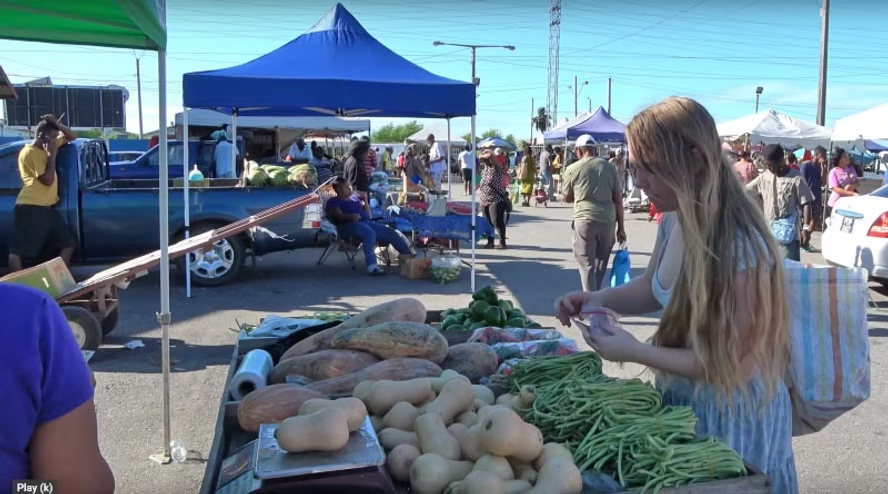
When organizing your sailing provisions, protecting sensitive produce is one of the best ways to ensure your food lasts weeks instead of days. There’s a few tricks you can use to do this:
Green bags & Hammocks#
Store delicate fruit in breathable green bags, like the Debbie Meyer Green Bags, or hanging in hammocks, to keep them from getting moist and bruising against hard surfaces. Personally I prefer hanging, keeping my produce in a well-ventilated area away from direct sun, and keeping my bananas away from everything as they can cause other fruit to ripen faster.
If you’re thinking about going the hammock route, you can buy traditional net hammocks, or hangable mesh bags. It’s also possible to come up with a DIY solution using the nylon netting found at many chandleries.
Vacuum sealing#
Vacuum sealing isn’t just great for storing meats, it’s also useful for herbs and sliced veggies.
I use my vacuum sealer much more often than I thought I would, for meats, vegetables, herbs, and even some specialty things like storing chunky marinades made with fresh herbs and chillies. The unit I have is in the style of the Nesco VS, but there are less bulky choices like the compact Chef Preserve, which works with re-usable bags.
Cool, dark spots#
Some produce, like your root vegetables, do well in cool, dark, well-ventilated spaces. Just keep the onions separated from other vege as they can make them sprout and rot faster.
Rule 3: Stagger ripeness for a steady supply#
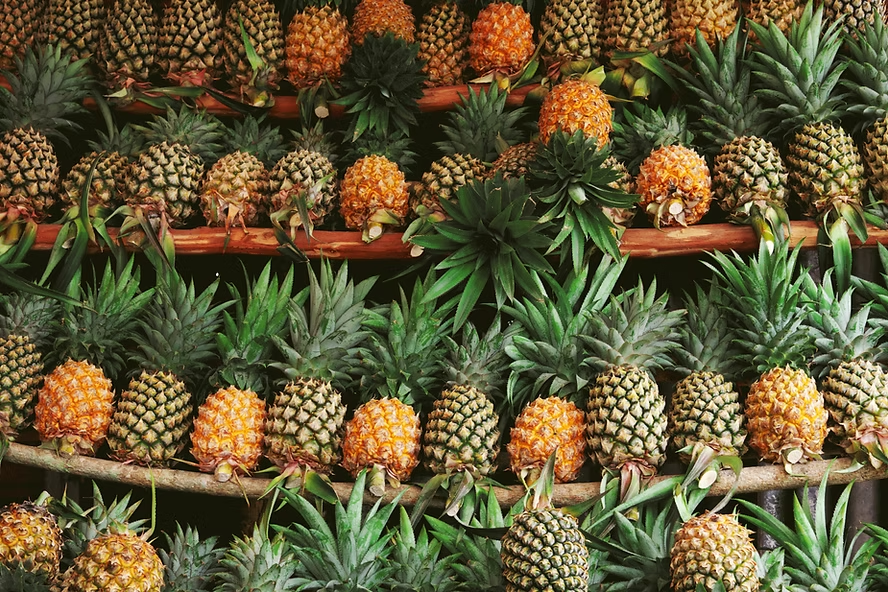
Staggering ripeness involves buying the exact same vegetable in various states of maturity so it naturally becomes ready to eat as the weeks pass. For example, getting pineapples and bananas that are relatively green, as well as some that are yellow, and others that are halfway in between.
Doing this is the absolute easiest way to guarantee a continuous supply of fresh produce available to make meals for passage, without needing a massive refrigerator onboard.
Rule 4: Rotate and inspect daily#
Rotating and inspecting your sailing food provisions daily prevents minor bruising from turning into a full-scale locker rot. I try to make this a part of my daily routine, often working it into my food prep time.
- Quick scan: Glance at each bag or container, and pull out any fruit that is getting soft and immediately use it
- One‑bad‑apple rule: If one piece starts to rot, you must remove it to prevent it from spreading to the rest of the supplies
Catching a bad vegetable early saves its neighbors and stretches your provisions much further.
Rule 5: Keep pests out#
Keeping pests out of your food supply requires a zero-tolerance policy for cardboard and aggressive barrier methods from day one. Cockroaches and weevils absolutely thrive in tropical environments, and they will wreck your provisions if given the chance – I’ve had to throw out rice and flour in the Caribbean that came with these pesky critters from the store!
- Bay leaves & cloves: Toss a few dried bay leaves into flour, rice, and grain containers as they act as a natural deterrent to weevils
- Airtight containers: Store all dry goods in hard‑plastic, rubber‑sealed containers to protect against pests and humidity. I prefer Sistema Klip-It and Rubbermaid.
- Freeze first: Freeze bulk bags of flour, rice, and beans for 48 hours immediately before stowing to kill any hidden eggs that came from the supermarket
Taking the time to sanitize and seal your ingredients before casting off feels tedious and a little pedantic, but the hassle it can save you down the road makes it worth it. The last thing you want is a bug infestation ruining your sailing journey!
Quick checklist before you set sail#
Putting it all together, here’s your quick pre-sail check-list for food storage on a boat.
- All cardboard removed from produce packaging
- Labels removed from canned goods
- Green bags/hammocks set up for quick‑ripening items
- Vacuum‑sealed herbs and pre‑chopped veg ready
- Airtight containers with bay leaves placed in the galley
- Provisioning list and meal plan up on the wall for all crew to see
Fresh produce doesn’t have to be a nightmare on a boat if you plan ahead. By prioritizing fast‑ripening items, protecting moisture‑sensitive foods, rotating stock, and keeping pests out, you can help ensure you have fresh food on your boat provisioning list throughout the journey, making for more enjoyable and delicious sailboat dishes!
FAQ#
How do you provision a sailboat for long term travel?#
There’s a bit of an art to sailboat provisioning that requires you to have a good knowledge of your crew’s tastes, the ingredients available at your ports of departure and arrival, and what’s possible at sea. To learn more, check out our complete collection of yacht provisioning blogs, including How to Meal Plan for an Ocean Crossing or Long Passage and 30 Meals for Passage That Don’t Need Refrigeration.

One of the creators behind Travel Sketch, Telicia lives full-time aboard SV Liger. She’s a freelance writer who’s worked with a range of international companies, and serves as social media coordinator and magazine editor for noforeignland. With the Med and Caribbean done, she’s charting a course through the Pacific and Asia.




Leave a Reply