
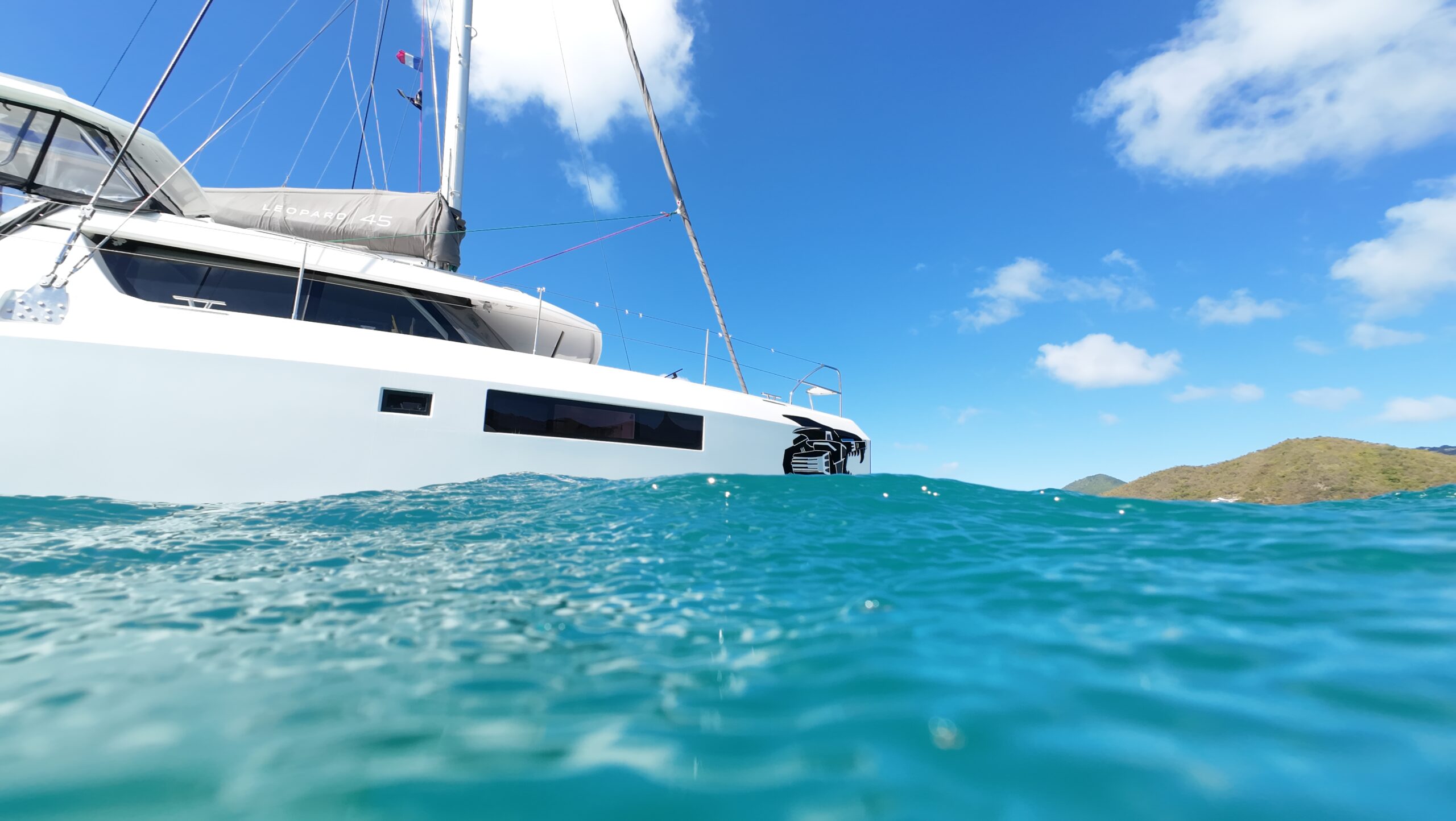
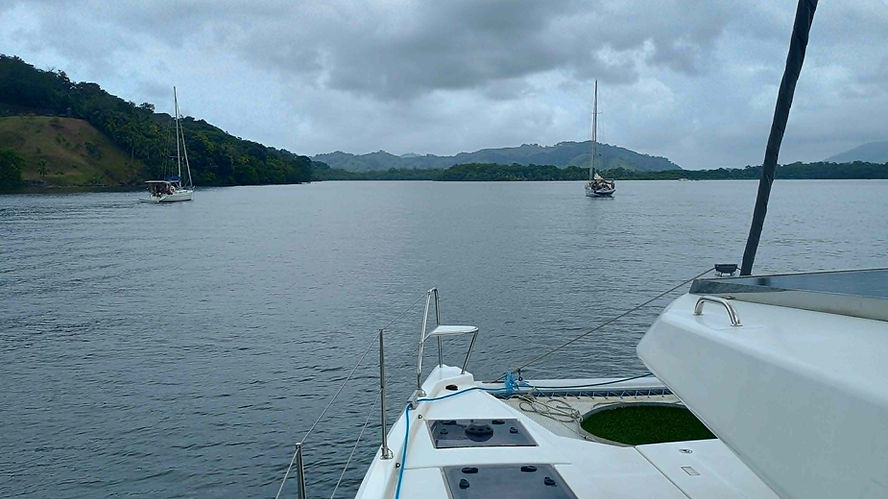
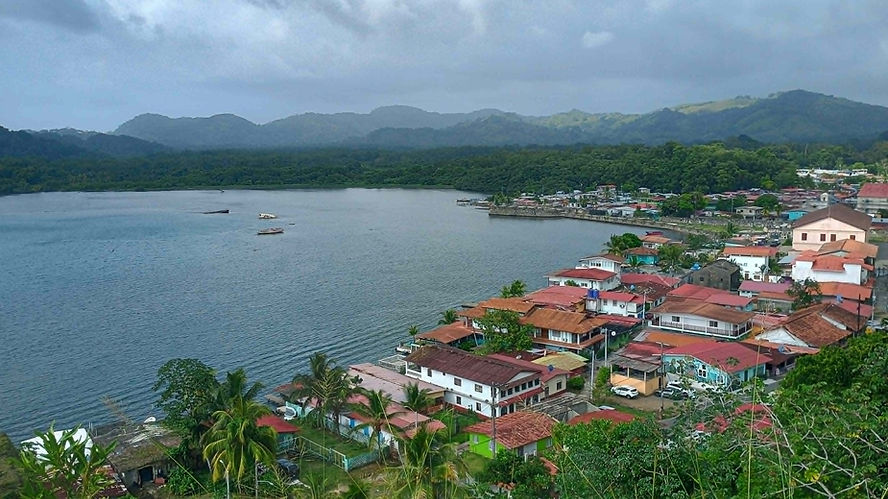
After 10 days of sailing non-stop across the Caribbean Sea from Trinidad to Panama, SV Liger arrived safely in the historic town of Portobelo. As we dropped the anchor the entire crew was filled with anticipation for the next part of our sailing adventure; transiting through the iconic Panama Canal. But, before any of that could happen, we need to check into the country.
The process to check in to Panama by boat is fairly easy, but at the same time there are some unique steps to know about. Here’s our experience clearing into Panama, with the step-by-step process that you should be able to apply to any port of entry, including the San Blas Islands and Bocas Del Toro.
Step 1: Clearing Panamanian Immigration#
Entering Panama by sailboat starts with a pre-arrival notification, which can be done up to 72 hours in advance. You must send an email containing your boat registration, Zarpe (clearance document from your last port), and copies of all crew passports to the regional migration office. If you don’t send this pre-arrival email, the Panama Immigration (Servicio Nacional de Migración) officials may not process your entry. For the Colon and Portobelo area, including Shelter Bay and Linton Bay, that email address is regionalcolon@migracion.gob.pa
When we cleared in, we used the small immigration office in Portobelo. The officer on duty was incredibly friendly, and we communicated entirely using Google Translate on our phones. While I had emailed the pre-arrival notification in advance, they weren’t able to find it, so before the officer could clear us in I had to re-send the email, and she had to confirm with the regional office that it had arrived.
Given the recent issues in Portobelo and the theft that had been going on at Linton Bay, we decided to attend with only two of our three crew members. This turned out to be no issue at all; the officer simply asked if the third person was back with the boat, and when we confirmed he was, she processed our stamps without a second thought.
While there were no fees for a standard visa on arrival, you do need to make sure your passport has at least three months of validity remaining. It’s also worth noting that Panama Immigration seems to be taking visa overstays very seriously. While we were anchored in the area, officials were actively conducting physical rounds at both Shelter Bay Marina and Linton Bay to check cruisers’ passports, and ensure everyone was legally stamped in.
Documents needed:
- Passports and passport copies
- Boat registration and copies
- Zarpe and copies
Step 2: Visiting the National Customs Authority#
The National Customs Authority (Autoridad Nacional de Aduanas) regulates the temporary entry of your vessel, so once your passports are stamped you must immediately go to the customs office to declare your vessel. There isn’t one in Portobelo, so we had to catch a taxi to Linton Bay. When we arrived, we discovered the officer was expecting us, having received a phone call from Portobelo immigration to let him know we were on the way.
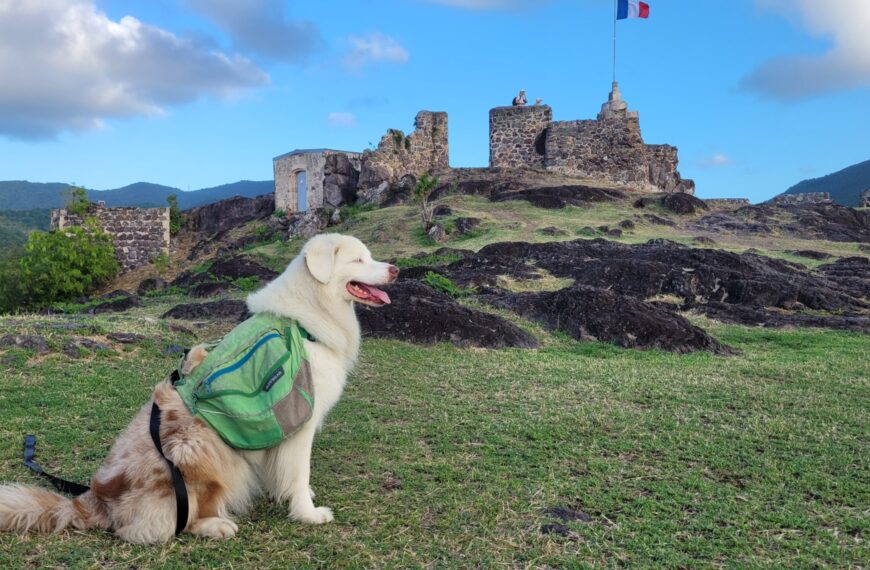
Checking a boat into Panama requires filling out a standard customs declaration form, and paying a fee of $20 USD (Take cash!). Unlike the rigorous pet protocols of other countries, clearing our dog, Rose, was surprisingly casual. We mentioned to the officer that we had a dog onboard, and he didn’t seem to care. We had a recent international health certificate and all of her vaccination records handy just in case, but weren’t asked to show anything. This was in line with the experiences of other cruisers who’d been before us.
Documents needed:
- Crew list from immigration
- Boat registration and copies
- Zarpe and copies
Step 3: Purchasing your cruising permit from the Panama Maritime Authority#
The Panamanian Cruising Permit (Permiso de Navegación) is issued by the Autoridad Marítima de Panamá (AMP) and acts as the official legal status for your boat. You do not technically have to run out and buy this on day one, but it must be done before you can legally clear out of the country.
Because the permit application can take up to a few weeks to process, it’s best to start the paperwork as soon as possible. You have two choices here; you can travel to a main maritime office and submit the paperwork yourself, or pay a fee to an office or local service to handle the legwork for you. Which path is easier depends on where you drop anchor, because many smaller ports lack an AMP office capable of processing full cruising permits.
Being that we were based in Portobelo, the closest office that we could go to and do the permit ourselves was in Colon, which is a $40 USD taxi ride one-way. The standard base fee for a one-year cruising permit is $185 USD, so we agreed to pay a total of $240 USD to have a local agent do it for us, saving both time and money.
When you fill out the cruising permit paperwork make sure you have your vessel’s technical specifications handy, for example, the application requires your engine serial numbers. This caught me off guard for a second – I was in an office with no cell reception and had no idea what they were, but then remembered the numbers were listed on our boat insurance documents – PHEW!
Tips for a smooth Panama check-in#
Like most sea-ports, navigating Panamanian government offices as a liveaboard cruiser requires a basic understanding of local administrative etiquette. Here’s a few tips to have the process go as easily as possible.
Tip 1: Dress appropriately#
While some of the major metropolitan offices require full trousers and closed shoes, we found that neat shorts and clean flip-flops were perfectly acceptable at the smaller coastal stations in Portobelo and Linton Bay. Just avoid swimwear, tank tops, or excessively muddy clothes.
Tip 2: Carry physical paperwork#
Do not rely on digital files or internet connections on your phone. You will need paper copies of your boat registration, your last Zarpe, and every passport on board. The Portobelo officer wanted physical copies of everything—including the crew list from our last port—but thankfully she had a copier on desk to handle the few pages I was missing.
Tip 3: Keep cash on hand#
The port captain and customs offices seem to operate on a strict cash economy.
Tip 4: Watch the calendar#
Government offices generally close on weekends and national public holidays.
Tip 5: Download Spanish offline#
Get Google Translate or similar and download the Spanish language option offline, so you can communicate with the officers if they don’t speak English, which is common.
One of the creators behind Travel Sketch, Telicia lives full-time aboard SV Liger. She’s a freelance writer who’s worked with a range of international companies, and serves as social media coordinator and magazine editor for noforeignland. With the Med and Caribbean done, she’s charting a course through the Pacific and Asia.

Leave a Reply